
Learn More
Red Robin Real Estate Investment Guide for Passive Investors
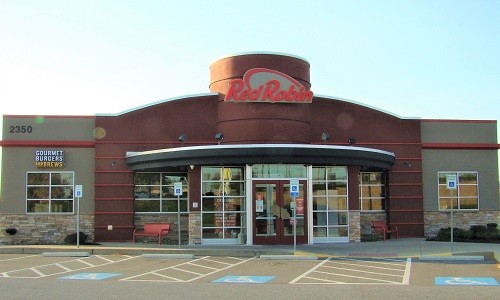
Investing in real estate can be an exciting journey, especially when it comes to popular brands like Red Robin. This guide aims to simplify the process for passive investors looking to enter the market with Red Robin properties, known for their long-term leases and robust brand presence....
Understanding Red Robin's Business Model
Founded in 1969, Red Robin has blossomed into an iconic American dining establishment, primarily known for its gourmet burgers and family-friendly atmosphere. With over 570 locations countrywide, including franchise territories, the chain offers an inviting dining experience that appeals to a diverse audience. For investors, understanding the brand's strengths is crucial.
Stability Through Long-Term Leases
One of the significant advantages of investing in Red Robin properties is the typical lease structure. Generally, Red Robin operates under long-term leases that last between 15 to 20 years. This stability is attractive for investors since it mitigates risks associated with turnover and vacancy. The assurance of a consistent rental income over an extended period enhances the value of these properties, marking them as desirable investment options.
Importance of Prime Locations
The success and profitability of any retail establishment hinge significantly on its location. Red Robin's strategic site selection focuses on high-traffic areas, often adjacent to shopping centers or bustling retail hubs. For passive investors, this means that the properties housing Red Robin are typically situated in favorable demographic zones, thereby maximizing foot traffic and consumer engagement.
Assessing Consumer Demographics
Understanding the demographics of a location is just as essential as the location itself. Red Robin targets areas with a healthy mix of families and young adults, creating a solid customer base that contributes to consistent sales. As investors, keeping an eye on the local income levels, population density, and competition will help you gauge the potential success of a Red Robin property in a specific area.
Design Innovations and Adaptability
In an ever-evolving dining landscape, Red Robin continues to adapt its business model through design innovations. Recent prototypes are aimed at smaller footprints, especially in mall settings, allowing Red Robin to thrive in various types of environments. For investors, this adaptability signifies potential resilience and sustained demand for Red Robin properties, even in changing market conditions.
Evolving to Meet Consumer Needs
The dining industry is influenced heavily by consumer preferences and seasonal trends. Red Robin has shown a knack for adapting to these changes, which can strengthen its market position. Properties leased to a brand that continuously evolves are more likely to retain their value, making them a safer bet for passive investors.
Brand Loyalty and Market Recognition
Brand loyalty is a crucial asset when it comes to real estate investment. Red Robin is not just a restaurant; it's a household name that commands respect and recognition. This strong brand identity results in consistent foot traffic, vital for maintaining high occupancy rates and desired sales volume.
Leveraging Brand Strength
When you invest in a property leased to a high-demand brand like Red Robin, you're leveraging their established market position. This brand equity can lead to favorable leasing terms and the ability to command higher rental rates, contributing positively to your investment's overall performance.
The Economic Resilience of the Dining Sector
In recent years, the dining sector has demonstrated surprising resilience, navigating through ups and downs in the economy. Red Robin's strategic adaptation during challenging times—like expanding delivery and takeout options—illustrates the brand's commitment to meeting customer needs while maintaining revenue streams.
Investing with Confidence
For passive investors, investing in properties leased to resilient brands like Red Robin provides an added layer of reassurance. This stability can enhance the attractiveness of your investment, especially in times when economic conditions fluctuate.
Market Research and Data Analysis
Conducting thorough market research is crucial for any real estate investment. Understanding market trends, supply and demand factors, and comparable properties will empower you to make informed decisions. Regularly consulting comprehensive market reports can provide insights into the future profitability of your investment.
Utilization of Expert Resources
Tap into the wealth of knowledge offered by brokerage firms specializing in retail properties. Firms like Equity CRE provide detailed market analysis, helping you stay informed of market dynamics and insights that can guide your decision-making process.
Connecting with Professionals
For passive investors, forming partnerships with knowledgeable brokerage firms can enhance your investment journey. Our team at Equity CRE specializes in retail real estate, and we offer various services, including tenant representation, landlord leasing, and investment sales.
Why Partner with Us?
By collaborating with experienced professionals, you're not just investing; you're crafting a strategy aimed at maximizing your returns. We provide insights and analytics tailored specifically for potential investors, ensuring you have the information you need to thrive in the market.
Next Steps for Potential Investors
If you're considering investing in Red Robin real estate, the first step is to conduct your due diligence. Explore available properties, assess the market conditions, and examine all facets of Red Robin's business model.
Let's Explore Opportunities Together
At Equity CRE, we invite you to reach out for personalized insights and guidance on Red Robin real estate investments. Our team is equipped to help you navigate the intricacies of the market and find opportunities that align with your investment objectives. Together, we can make your journey into passive real estate investment a successful one.
Explore the exciting opportunities that Red Robin presents and consider this iconic brand as a valuable asset to your investment portfolio.