
Learn More
How to Evaluate Raising Cane's Real Estate Like an Expert
When it comes to investing in quick-service restaurants like Raising Cane's, understanding the nuances of real estate evaluation is crucial. With its growing popularity and successful business model, Raising Cane's presents a compelling investment opportunity. In this guide, we'll walk you through the steps to assess Raising Cane's real estate just like a seasoned expert....
Understanding the Brand
Before diving into the evaluation process, it's essential to grasp the essence of Raising Cane's. Founded on a commitment to quality chicken tenders and a unique dining experience, the restaurant distinguishes itself in the competitive fast-food landscape. With over 500 locations across the United States, primarily concentrated in the South, Raising Cane's is recognized for its robust customer loyalty and consistent sales.
Why Invest in Raising Cane's Real Estate?
Investing in Raising Cane's real estate can be advantageous due to several key factors:
- Strong Business Model: The restaurant's focus on a specific menu item fosters not only brand recognition but also operational efficiency.
- Proven Track Record: With impressive average sales per unit, Raising Cane's demonstrates strong financial performance that often translates into healthy rental income for investors.
- Long-Term Leases: Typically, Raising Cane's secures long-term leases that provide investors with stability and predictable cash flow.
Evaluating Site Location
The Importance of Location
Location is paramount in real estate, and this is especially true for quick-service restaurants. A well-situated Raising Cane's can draw significant foot traffic from residential areas, schools, and commercial zones.
Key Factors to Consider:
- Demographics: Analyze the demographics of the surrounding area. Are there ample families or young professionals? Understanding the customer base will help you gauge the potential performance of the restaurant.
- Accessibility: Evaluate how easily customers can access the restaurant. Is it close to highways, public transport, or major intersections? Convenient access tends to attract more customers.
- Competition: Take note of nearby dining options. How saturated is the market? Understanding competitor performance can offer insights into whether Raising Cane's can thrive in that particular location.
Analyzing Property Specifications
Size and Layout
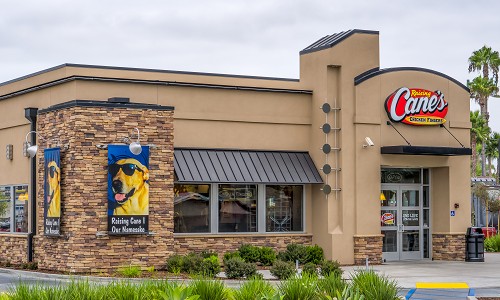
Raising Cane's typically operates within a well-defined space, usually ranging from 2,500 to 3,500 square feet. The layout should accommodate both frontline sales areas and corporate efficiency behind the scenes.
Surrounding Infrastructure
Check the property's infrastructure and surroundings. Is the parking sufficient? Are there plans for future development nearby? These considerations can impact the long-term viability of your investment.
Assessing Financial Metrics
While specific figures may fluctuate, several financial metrics remain consistently important for assessing a Raising Cane's property.
Net Operating Income (NOI)
Net Operating Income is a fundamental metric for real estate investments. This figure represents the potential income generated from the property after deducting operating expenses. It's vital to assess whether the rent received will cover costs while generating profit.
Lease Terms
Understanding lease specifics is vital. Raising Cane's often engages in long-term leases, typically spanning 15 to 20 years. Inquire about any rental escalations that occur throughout the lease period to evaluate future cash flow potential.
Credit Rating
Next, examine Raising Cane's credit rating. As of now, it holds a credit rating that reflects its stability and reliability as a tenant. A strong credit rating typically provides peace of mind for investors, ensuring timely rental payments.
Working with Professionals
Engaging Real Estate Brokers
Working with seasoned real estate brokers who specialize in retail properties can make a difference. They will have access to information that may not be publicly available and can provide valuable insights into market trends and consumer behaviors.
Conducting Market Research
Engage in comprehensive market research to gather insights about consumer traffic patterns, local economic conditions, and market trends. This research will also highlight any new developments planned for the area, which could enhance property value.
Network and Connect
Building Relationships
Building a network of contacts in both the restaurant and real estate industries can be beneficial. Establishing relationships with other investors, property management professionals, and local business owners can yield insight and opportunities that you might not find through traditional research.
Utilize Technology
Don't underestimate the power of technology in your research efforts. Use real estate platforms that specialize in commercial properties to stay updated on trends, customer preferences, and competitive analyses. This will ensure you are well-equipped to make informed decisions.
Making the Investment Decision
After rigorously evaluating the site location, financial metrics, and overall brand reputation, you'll have a clearer picture of whether Raising Cane's real estate aligns with your investment goals.
Trust Your Instincts
While hard data is essential, don't forget to trust your instincts. If a property resonates with you and meets the criteria outlined above, it may be the right investment opportunity.
Staying Informed
Lastly, remain engaged with industry dynamics and consumer preferences. The retail landscape is continuously evolving, especially in the quick-service restaurant sector. Stay informed to pivot your strategies as needed.
By following these steps and developing a comprehensive evaluation strategy, you can approach Raising Cane's real estate investments with expertise and confidence, setting yourself up for potential success in this lucrative niche.
For further assistance or to explore available investment opportunities, feel free to reach out or explore our resources to guide you in making the most informed decisions in the real estate market.