
Learn More
Beginner's Guide to Buying Red Lobster Real Estate
Are you considering investing in Red Lobster real estate? With its reputation as a popular seafood dining destination, Red Lobster offers a unique investment opportunity in the retail real estate market. In this beginner's guide, we'll walk you through essential factors to consider when purchasing property associated with Red Lobster. Whether you're a seasoned investor or venturing into commercial real estate for the first time, our insights can help you navigate this exciting landscape....
Why Invest in Red Lobster Real Estate?
Red Lobster has established itself as a household name across the United States, known for its casual dining atmosphere and seafood specialties. With hundreds of locations, the brand has a proven track record of attracting customers, making it an appealing choice for investors. Here are a few key reasons to consider:
Stability and Brand Recognition
With a long-standing reputation, Red Lobster benefits from customer loyalty and brand recognition. This stability is an attractive quality that can mitigate risks often associated with retail real estate investments.
Long-Term Lease Structures
Red Lobster typically offers long-term lease agreements, commonly extending from 20 to 25 years. These arrangements often feature consistent rent escalations, which can provide steady income over time. For investors, this means a reliable revenue stream and potential long-term financial security.
Minimal Landlord Responsibilities
A major draw for investors is that Red Lobster locations often entail minimal landlord responsibilities. This structure allows you to focus on managing the investment without the stresses of heavy property management duties.
Understanding the Property and Lease Terms
Before making a purchase, it's vital to familiarize yourself with the specifics of the property and lease terms associated with Red Lobster locations.
Property Specifications
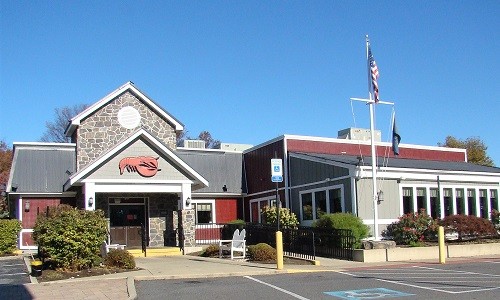
Typical Red Lobster properties are designed to accommodate their unique dining model, usually ranging from 8,000 square feet. Understanding how the property was constructed and its suitability for the business can greatly affect your investment's potential.
Lease Structure and Terms
The lease agreements for Red Lobster often include built-in rent increases, typically around 2% annually. This model is designed to keep rental income in alignment with inflation and market conditions, which is a crucial aspect of any investment analysis.
Escalation Clauses
Being aware of escalation clauses and the terms of rent increases is essential. These frameworks not only secure your income but also provide clarity about future financial expectations.
Conducting Market Research
Comprehensive market research is a critical step in the purchasing process. Understanding the local market dynamics, customer demographics, and competition in the area can help you make informed decisions.
Analyze Local Demand
Assess the demand for dining options in the area surrounding the Red Lobster location. Look into foot traffic, demographic data, and local economic indicators that may influence dining habits. This information can provide valuable insights into the viability of your investment.
Evaluate Competition
Understanding the local competition is equally important. Analyze other dining establishments nearby to gauge their impact on Red Lobster's business. Awareness of significant competitors can give you a clearer picture of potential revenue and challenges.
Financial Considerations
Investing in real estate inherently involves financial implications. Here are a few aspects to consider:
Purchase Price Estimates
While specific pricing varies based on a range of factors, it's beneficial to familiarize yourself with ranges in similar properties. Consulting professionals in the real estate sector can assist you in determining a reasonable price point when evaluating Red Lobster properties.
Anticipating Operating Expenses
Consider all possible expenses related to the investment. This may include property taxes, maintenance costs, utilities, and insurance. Understanding these operational costs will provide a clearer picture of your overall investment strategy.
Engaging with Professionals
Navigating the real estate market—especially in commercial properties—can be complex. Engaging with professionals can make a significant difference.
Real Estate Brokers
Working with a broker experienced in commercial real estate can be invaluable. They will have insights into properties and market trends that may not be readily visible. Their expertise can help streamline the purchasing process.
Financial Advisors
Consider consulting with financial advisors who specialize in real estate investments. They can provide guidance on structuring your finances and understanding the return on investment you might expect from your acquisition.
Completing the Purchase
Once you've conducted thorough research and secured professional help, you'll be ready to finalize your purchase.
Due Diligence
Before sealing the deal, conduct a comprehensive due diligence review of the property. This includes inspections, reviewing lease agreements, and ensuring there are no outstanding legal issues. Thorough due diligence ensures that you're well-informed and can prevent potential complications down the line.
Closing the Deal
Upon successful negotiations and due diligence, you'll move toward closing. Ensure that all documentation is reviewed, and all terms are agreed upon before signing any contracts.
Final Steps
Investing in Red Lobster real estate can be a rewarding venture when approached with due diligence and insight. By considering the factors above, you can confidently navigate the complexities of this investment space. If you're ready to take the plunge into Red Lobster real estate, you're on the path toward securing a stable and potentially lucrative asset.
Feel free to reach out to our team for guidance tailored to your unique investment goals. Let's explore how you can effectively capitalize on this opportunity!