Learn More
Is Goodwill Real Estate a Good First Investment Property?
Investing in real estate has long been regarded as a pathway to building wealth and financial security. Among various options, you might encounter Goodwill real estate as a potential choice. But is this particular investment a good fit for first-time investors? Let's explore the defining characteristics of Goodwill properties, what set them apart from typical investment properties, and if they could serve as a valuable addition to your investment portfolio....
Understanding Goodwill as a Nonprofit Entity
Goodwill Industries is a nonprofit organization that provides job training, employment placement services, and various community-based programs aimed at helping individuals overcome barriers to employment. This mission-driven approach not only sets Goodwill apart but also leads to a unique market position, particularly in the real estate sector.
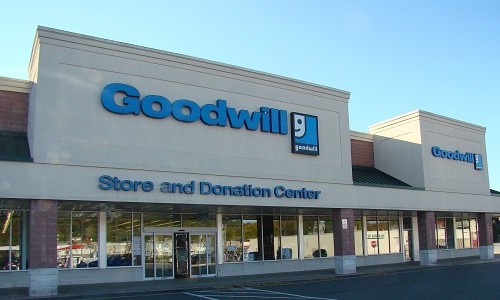
Investing in Goodwill properties generally means acquiring locations leased to the organization, which usually have solid lease terms, often spanning 15 years or more. This long-term commitment can be appealing to investors looking for stable income streams.
Why Consider Goodwill Properties?
1. Strong Tenant Stability
One of the most compelling reasons to consider investing in Goodwill real estate is the stability that comes with it. Goodwill's established brand and mission contribute to consistent foot traffic and reliable revenue. The nonprofit's commitment to serving the community translates into a loyal customer base, which can enhance the value of the property over time.
2. Attractive Lease Terms
Goodwill properties often come with favorable lease terms. Many Goodwill locations feature long-term agreements that include various rent escalations. This structure can be advantageous, providing security for investors while also allowing for potential future income growth. First-time investors might find these predictable cash flows appealing as they navigate the complexities of managing their first investment.
3. Benefits of Triple Net Leases
Most Goodwill properties operate under triple net (NNN) leases. Under this arrangement, the tenant—in this case, Goodwill—takes on most of the property expenses, including maintenance, insurance, and property taxes. For investors, this structure reduces the burden of property management responsibilities. First-time investors can appreciate the reduced risk and lower operating costs that come with this model.
Market Demand and Community Impact
4. Essential Services
Goodwill provides essential services that cater to various demographics. As a nonprofit dedicated to workforce development, its locations often serve low-income communities or areas with limited access to employment support. This social impact can enhance the perceived value of the property, creating a sense of community around the investment.
5. Resilience in Economic Downturns
Investing in Goodwill real estate might offer some resilience in uncertain economic climates. Nonprofits often continue to serve their communities, providing stability even when the economy falters. As people seek affordable shopping options or free resources, Goodwill properties can maintain steady traffic and balance.
Navigating Your First Investment
6. Researching the Market
Like any investment, due diligence is critical when considering Goodwill properties. Understanding the local market conditions, demographic trends, and the specific Goodwill location is crucial before making a commitment. Researching foot traffic, nearby amenities, and community growth can provide insights into property value and future appreciation.
7. Working with Professionals
Leverage the expertise of professionals in the field. Engaging a real estate broker who specializes in NNN properties can help first-time investors navigate the complexities of Goodwill real estate. They provide invaluable insights and market comparisons that can enhance your understanding and decision-making process.
8. Assessing Financing Options
While Goodwill properties can be a smart investment, understanding your financing options is equally important. Whether you're considering traditional loans, FHA loans, or other financing routes, knowing what works best for you will set the stage for successful property acquisition.
Potential Challenges
9. Community Impact versus Profit
While the community-oriented aspect of Goodwill is largely a benefit, it can also pose challenges. Investors may find their commitment to a nonprofit can lead to tension between social impact and profitability. It's essential to balance your objectives as an investor with the mission of Goodwill to ensure alignment.
10. Limited Flexibility
Long-term lease agreements can offer security but may also limit flexibility. If market conditions change, you may find it challenging to adapt or reposition your property. Understanding this trade-off can help you make more informed decisions about your investment strategy.
Making the Decision
Investing in Goodwill real estate can be an attractive option for first-time investors, primarily due to its strong tenant stability, favorable lease terms, and alignment with nonprofits' community missions. The unique characteristics of Goodwill properties position them well in the retail real estate market, especially for those looking for a less hands-on investment.
Before diving in, we encourage you to conduct thorough market research, work with experts, and assess your financial situation. Engaging with the community and understanding Goodwill's mission can make your investment not just financially sound but also rewarding on multiple levels.
Is Goodwill real estate right for you? The answer lies as much in your investment goals as in the properties themselves. If you're seeking a dependable income stream with the added benefit of contributing to a social cause, Goodwill properties could very well be an excellent starting point for your investment journey.
If you're interested in exploring this further, we invite you to connect with us at NNN Trends for more insights and resources to facilitate your investment decisions.