
Learn More
What to Look for Before Buying PNC Bank Real Estate
Making an investment in PNC Bank real estate can be a lucrative opportunity, especially in today's ever-evolving commercial landscape. As we explore what to look for before making your purchase, it’s crucial to understand the factors that contribute to the investment’s long-term success. Here, we will break down key considerations and the vital role of a commercial property manager....
Understanding the PNC Bank Brand
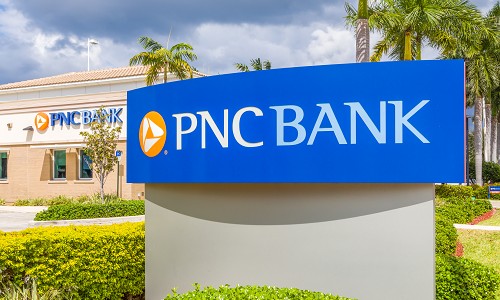
Before diving into specifics, it’s essential to familiarize yourself with the PNC Bank brand itself. Renowned as a reliable financial institution, PNC has a solid reputation for security and stability. Understanding the reputation of the tenant is paramount, as a reputable brand can enhance the value of your real estate investment. When purchasing PNC Bank properties, you are aligning yourself with a trusted name, which can be a significant advantage in today's market.
Lease Terms and Conditions
One of the most critical aspects to examine is the lease terms associated with the commercial property. PNC Bank typically enters into long-term leases, often extending between 15 and 20 years. These extended terms can provide a sense of security as they denote stability in rental income over a longer period. Ensure you scrutinize the lease conditions:
- Rent Increases: Many PNC leases include rent escalations at predetermined intervals. This feature can provide a safety net against inflation and boost your long-term returns.
- Maintenance Responsibilities: Understand who is responsible for maintenance and property management. This is where a proficient commercial property manager comes in handy. They can assist in navigating lease responsibilities to ensure compliance and ease of management.
Location, Location, Location
The location of your PNC Bank investment plays a pivotal role in its potential success. Locations that are easily accessible and high-traffic can attract more customers, benefiting from the foot traffic that PNC Bank is likely to receive. Factors to consider include:
- Proximity to Major Roads: A branch situated near major highways or busy intersections is more likely to attract walk-in customers and serve dynamics banking needs.
- Surrounding Businesses: Evaluate other businesses in the area. Are they complementary? A strong business ecosystem can enhance the viability of your investment.
Analyzing Consumer Traffic Patterns
Analyzing consumer traffic is essential in determining whether a particular location is viable for your PNC Bank property. A high volume of foot traffic indicates strong potential for customer engagement, leading to higher occupancy rates for the property. Consider working with data analytics tools that provide insights into consumer habits and traffic patterns in the region. These insights can be invaluable in forecasting your investment's potential success.
Assessing Financial Stability
Before making any purchase, it is essential to assess the financial viability of your investment. This includes looking closely at the PNC Bank’s financial health as well as the surrounding economic conditions. When investing in PNC Bank real estate, some aspects to evaluate include:
- Credit Ratings: PNC Bank generally holds strong credit ratings, which speaks volumes about their reliability as a tenant. A stable tenant often translates to consistent rent payments, reducing financial risk for you as the investor.
- Growth Potential: Explore PNC’s growth strategy. Are they planning to expand their footprint in the area? Growth plans can impact the value of your investment and provide additional security.
Involvement of a Commercial Property Manager
Navigating the complexities of property management can be daunting, especially for first-time investors. A commercial property manager plays a crucial role in ensuring that your investment runs smoothly. Their responsibilities may include:
- Tenant Management: A property manager ensures all tenant agreements are upheld, and any issues are promptly addressed. This minimizes vacancies and maintains a steady income stream.
- Facility Management: They oversee the property maintenance schedule and ensure that all systems are operating efficiently, thus maintaining the asset's value over time.
Legal Considerations
Real estate transactions involve various legal complexities. Having a sound understanding of legal obligations associated with your investment is imperative. Ensure all contracts and agreements are clear and reviewed by legal professionals. Pay close attention to:
- Zoning Laws: These determine how the property can be used and if there are any restrictions. Understanding zoning regulations can help you avoid future legal challenges.
- Environmental Assessments: An environmental assessment can help identify any issues that may need addressing prior to purchase. This mitigates risk and can often reveal hidden costs or liabilities.
Exit Strategy
Even before you make a purchase, it's wise to consider your exit strategy. Knowing how and when you might unwind your investment will help inform your initial purchasing decisions. Factors to weigh include:
- Market Trends: Understanding broader market trends can assist in predicting when to sell or hold onto the property.
- Property Appreciation: Assess how the property's value may appreciate over time, and factor this into your overall investment strategy.
Building Relationships in the Community
Forming relationships within the community can provide invaluable insights and opportunities. Networking can lead to beneficial collaborations that enhance your investment’s potential. As you move forward in your decision-making process, consider attending local business events or engaging with community forums to understand better the operational climate surrounding your PNC Bank real estate.
As you embark on this investment journey, arming yourself with the right information and resources will position you for success in the dynamic world of real estate. By keeping the factors discussed in mind and leveraging the expertise of qualified professionals, you’re well on your way to making an informed decision that aligns with your investment goals.